Invertebrates
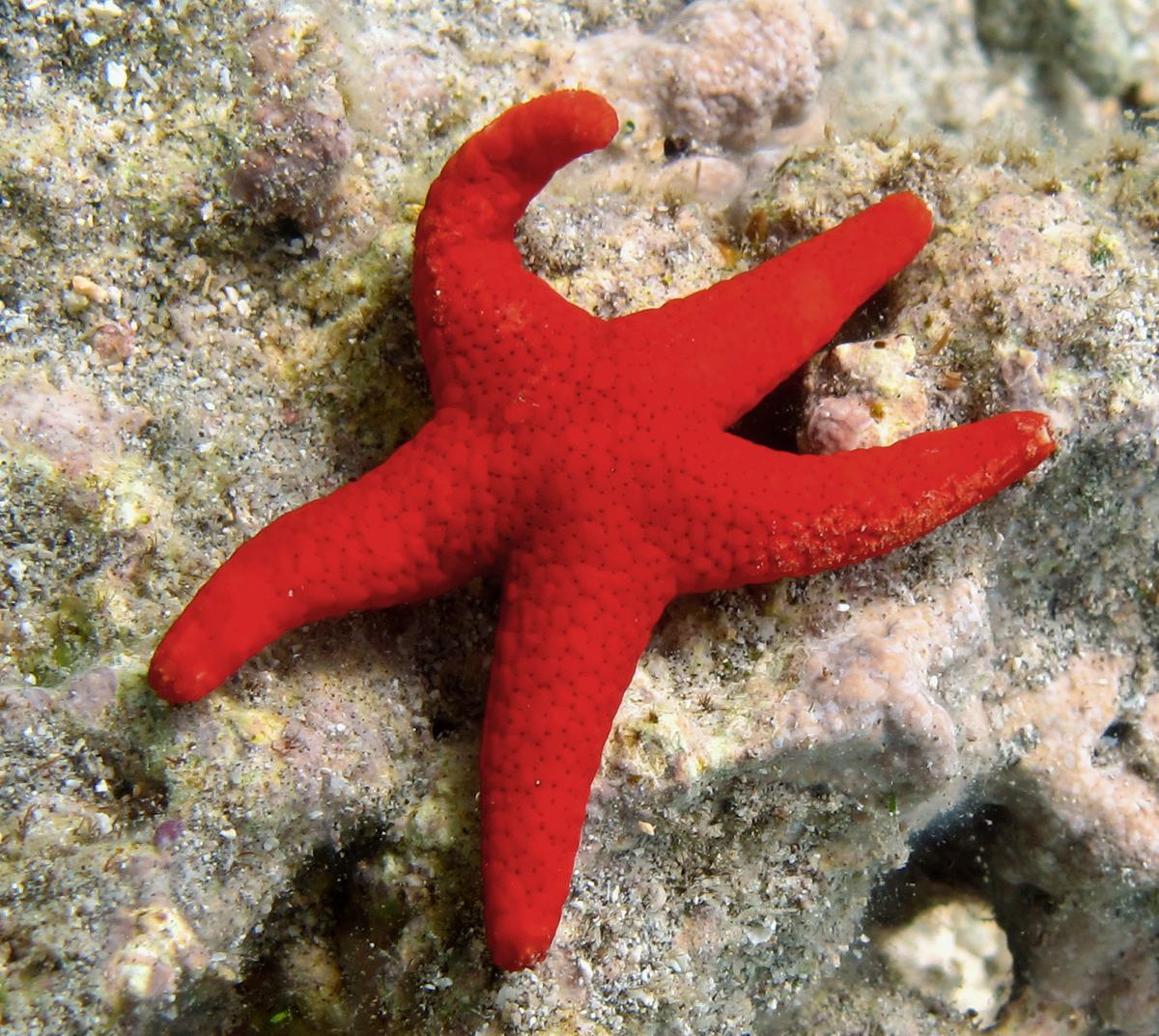
Red Fromia Starfish
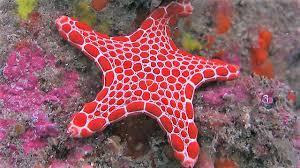
Red Sea Star (Fromia spp.) Common Names: Red Sea Star, Red Starfish Max Size: 6 inches (15 cm) Family: Ophidiasteridae Minimum Tank Size: 50 gallons (190 litres) Reef Compatible: Yes Care Level: Moderate Temperament: Peaceful Diet: Omnivore Water Conditions: sg 1.023-1.025, 72-78°F (22-26°C), dKH 8-12, pH 8.1-8.4 Supplements: Iodine, Trace Elements Overview The Red Sea Star (Fromia spp.), also known as the Red Starfish, is a striking addition to reef aquariums with its vibrant shades of red. Some species may also display black pores or dots across their surface, and the Red & Black Sea Star variety is known for having black tips on its arms. Its bold colouring adds a unique visual appeal to the aquarium. Typically solitary, the Red Sea Star will coexist peacefully with others of its species if the tank is large enough to support multiple individuals. It thrives in mature aquariums with plenty of live rock, as it scavenges for algae, micro-organisms, and detritus, making it a fairly self-sufficient tank inhabitant. Habitat & Behaviour In the wild, these sea stars are often found in reef ecosystems and require a similar setup in captivity. A tank with stable water parameters and live rock is essential to provide the microfauna and hiding spots they rely on. The Red Sea Star is diurnal, meaning it is active during the day. Due to its intolerance to sudden changes in water conditions, it is important to maintain stable oxygen levels, salinity, and pH. When introducing the Red Sea Star to your aquarium, the drip acclimation method is highly recommended to avoid stress caused by rapid changes in water chemistry. Care Requirements The Red Sea Star is sensitive to water chemistry, and fluctuations in parameters can cause stress. Avoid copper-based medications, as they can be toxic to sea stars. When handling the sea star, ensure it is not exposed to air to prevent potential damage. In captivity, breeding is extremely difficult, and there are no obvious differences between males and females. Diet In a well-established tank with live rock, the Red Sea Star is likely to find enough algae, biofilm, and micro-organisms to meet its dietary needs. However, if food sources become scarce, its diet should be supplemented with small pieces of fish, mussels, or flake foods to maintain its health. Summary The Red Sea Star is an attractive and peaceful invertebrate that thrives in stable, well-maintained reef tanks. Its bright red coloration and unique feeding habits make it a popular choice for aquarists looking to add a vibrant, yet low-maintenance species to their system. Careful acclimation and attention to water parameters are essential for keeping this beautiful sea star healthy and thriving.
Photos
About This Item
Red Sea Star (Fromia spp.)
Common Names: Red Sea Star, Red Starfish
Max Size: 6 inches (15 cm)
Family: Ophidiasteridae
Minimum Tank Size: 50 gallons (190 litres)
Reef Compatible: Yes
Care Level: Moderate
Temperament: Peaceful
Diet: Omnivore
Water Conditions: sg 1.023-1.025, 72-78°F (22-26°C), dKH 8-12, pH 8.1-8.4
Supplements: Iodine, Trace Elements
Overview
The Red Sea Star (Fromia spp.), also known as the Red Starfish, is a striking addition to reef aquariums with its vibrant shades of red. Some species may also display black pores or dots across their surface, and the Red & Black Sea Star variety is known for having black tips on its arms. Its bold colouring adds a unique visual appeal to the aquarium.
Typically solitary, the Red Sea Star will coexist peacefully with others of its species if the tank is large enough to support multiple individuals. It thrives in mature aquariums with plenty of live rock, as it scavenges for algae, micro-organisms, and detritus, making it a fairly self-sufficient tank inhabitant.
Habitat & Behaviour
In the wild, these sea stars are often found in reef ecosystems and require a similar setup in captivity. A tank with stable water parameters and live rock is essential to provide the microfauna and hiding spots they rely on. The Red Sea Star is diurnal, meaning it is active during the day.
Due to its intolerance to sudden changes in water conditions, it is important to maintain stable oxygen levels, salinity, and pH. When introducing the Red Sea Star to your aquarium, the drip acclimation method is highly recommended to avoid stress caused by rapid changes in water chemistry.
Care Requirements
The Red Sea Star is sensitive to water chemistry, and fluctuations in parameters can cause stress. Avoid copper-based medications, as they can be toxic to sea stars. When handling the sea star, ensure it is not exposed to air to prevent potential damage.
In captivity, breeding is extremely difficult, and there are no obvious differences between males and females.
Diet
In a well-established tank with live rock, the Red Sea Star is likely to find enough algae, biofilm, and micro-organisms to meet its dietary needs. However, if food sources become scarce, its diet should be supplemented with small pieces of fish, mussels, or flake foods to maintain its health.
Summary
The Red Sea Star is an attractive and peaceful invertebrate that thrives in stable, well-maintained reef tanks. Its bright red coloration and unique feeding habits make it a popular choice for aquarists looking to add a vibrant, yet low-maintenance species to their system. Careful acclimation and attention to water parameters are essential for keeping this beautiful sea star healthy and thriving.
Available Options
RegularSKU: 553807C
$28.00
Out of stock
Want to See This in Person?
Visit our store in Eastwood to see this item and many others. Our team can answer all your questions.