Invertebrates
Blood Shrimp
Blood Shrimp (Lysmata debelius) Care Level: Moderate Temperament: Peaceful Colour Form: Deep Red, White Diet: Omnivore Reef Compatible: Yes Water Conditions: 72-78° F, dKH 6-12, pH 7.8-8.4, sg 1.023-1.025 Max Size: 2" (5 cm) Family: Hippolytidae Minimum Tank Size: 80 Litres Overview The Blood Shrimp, also known as the Fire Shrimp or Scarlet Cleaner Shrimp, is a visually striking invertebrate that adds vibrant colour to any saltwater aquarium. Its deep red body is complemented by white antennae and small white spots along the carapace, giving it a bold, eye-catching appearance. This species is popular among reef keepers not only for its beauty but also for its beneficial cleaning behaviour, as it can help rid fish of parasites. Behaviour and Habitat In the wild, Blood Shrimp are typically found in caves or crevices of the reef, often living in symbiosis with fish by cleaning parasites and dead skin from their scales. In the home aquarium, they display similar behavior and may set up a cleaning station where fish will visit for grooming. They are shy and will spend much of their time in hiding, but once acclimated, they may become more active and visible. Despite their peaceful nature, Blood Shrimp can be territorial towards other shrimp, especially of the same species, so it is best to keep them either singly or in pairs in smaller tanks. Tank Requirements A well-established tank of at least 80 Litres with plenty of live rock is ideal for providing hiding places and a natural environment. These shrimp prefer dimly lit or shaded areas in the aquarium, which mimic the caves and overhangs they inhabit in the wild. Blood Shrimp are reef-safe and will not harm corals or other invertebrates, making them a great addition to reef aquariums. Diet The Blood Shrimp is an omnivore, feeding on a variety of foods. In the aquarium, their diet can be supplemented with meaty foods such as brine shrimp, mysis shrimp, and flake or pellet foods designed for carnivores. They will also scavenge leftover food from the aquarium substrate. Regular feeding ensures they remain healthy and active, though they will also act as part of the clean-up crew by consuming detritus. Care Tips Acclimate them slowly using the drip acclimation method to avoid stress from changes in water chemistry. Maintain stable water conditions, as Blood Shrimp are sensitive to fluctuations. Ensure proper iodine supplementation, which promotes healthy molting, an essential process for shrimp growth. Compatibility The Blood Shrimp is peaceful and can coexist with a wide range of fish and invertebrates, including other shrimp species, as long as the tank is large enough to avoid territory disputes. Avoid housing them with aggressive fish species that may prey on them, such as large wrasses, hawkfish, lionfish, or triggers. With its bold colours and useful cleaning behaviour, the Blood Shrimp is a wonderful addition to marine aquariums, offering both beauty and practical benefits.
Photos
About This Item
Blood Shrimp (Lysmata debelius)
Care Level: Moderate
Temperament: Peaceful
Colour Form: Deep Red, White
Diet: Omnivore
Reef Compatible: Yes
Water Conditions: 72-78° F, dKH 6-12, pH 7.8-8.4, sg 1.023-1.025
Max Size: 2" (5 cm)
Family: Hippolytidae
Minimum Tank Size: 80 Litres
Overview
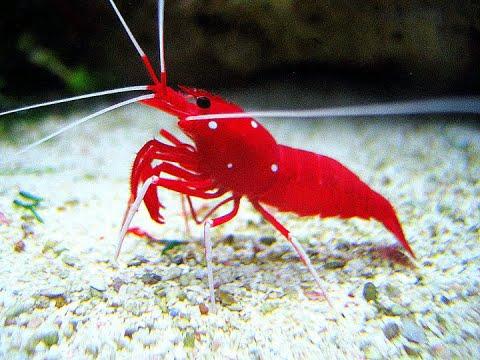
The Blood Shrimp, also known as the Fire Shrimp or Scarlet Cleaner Shrimp, is a visually striking invertebrate that adds vibrant colour to any saltwater aquarium. Its deep red body is complemented by white antennae and small white spots along the carapace, giving it a bold, eye-catching appearance. This species is popular among reef keepers not only for its beauty but also for its beneficial cleaning behaviour, as it can help rid fish of parasites.
Behaviour and Habitat
In the wild, Blood Shrimp are typically found in caves or crevices of the reef, often living in symbiosis with fish by cleaning parasites and dead skin from their scales. In the home aquarium, they display similar behavior and may set up a cleaning station where fish will visit for grooming. They are shy and will spend much of their time in hiding, but once acclimated, they may become more active and visible. Despite their peaceful nature, Blood Shrimp can be territorial towards other shrimp, especially of the same species, so it is best to keep them either singly or in pairs in smaller tanks.
Tank Requirements
A well-established tank of at least 80 Litres with plenty of live rock is ideal for providing hiding places and a natural environment. These shrimp prefer dimly lit or shaded areas in the aquarium, which mimic the caves and overhangs they inhabit in the wild. Blood Shrimp are reef-safe and will not harm corals or other invertebrates, making them a great addition to reef aquariums.
Diet
The Blood Shrimp is an omnivore, feeding on a variety of foods. In the aquarium, their diet can be supplemented with meaty foods such as brine shrimp, mysis shrimp, and flake or pellet foods designed for carnivores. They will also scavenge leftover food from the aquarium substrate. Regular feeding ensures they remain healthy and active, though they will also act as part of the clean-up crew by consuming detritus.
Care Tips
- Acclimate them slowly using the drip acclimation method to avoid stress from changes in water chemistry.
- Maintain stable water conditions, as Blood Shrimp are sensitive to fluctuations.
- Ensure proper iodine supplementation, which promotes healthy molting, an essential process for shrimp growth.
Compatibility
The Blood Shrimp is peaceful and can coexist with a wide range of fish and invertebrates, including other shrimp species, as long as the tank is large enough to avoid territory disputes. Avoid housing them with aggressive fish species that may prey on them, such as large wrasses, hawkfish, lionfish, or triggers.
With its bold colours and useful cleaning behaviour, the Blood Shrimp is a wonderful addition to marine aquariums, offering both beauty and practical benefits.
Available Options
RegularSKU: X382527
$380.00
Out of stock
Want to See This in Person?
Visit our store in Eastwood to see this item and many others. Our team can answer all your questions.