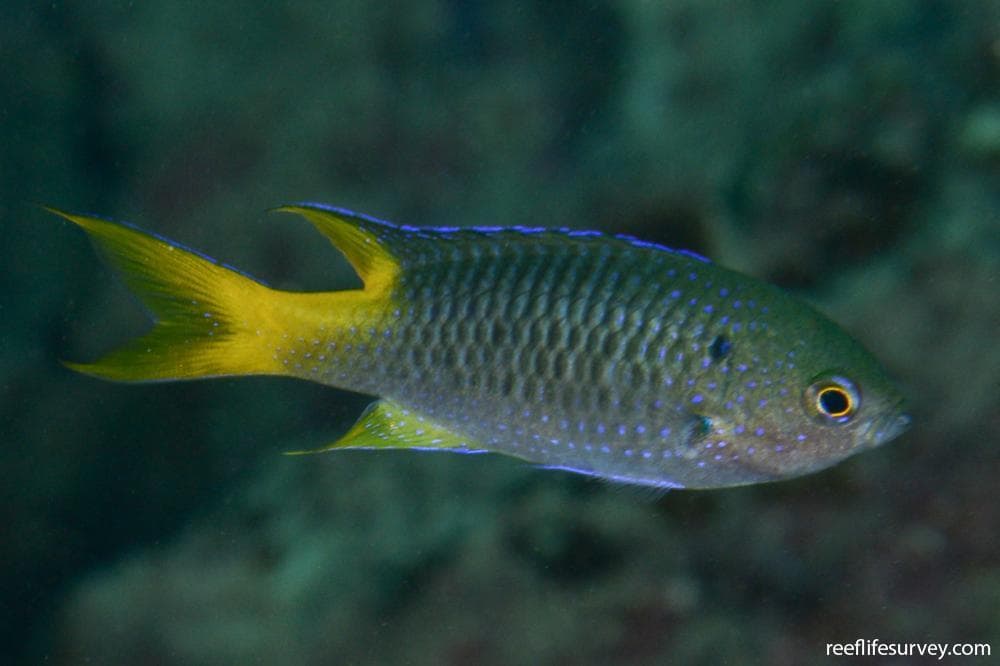
Mustard Tang
Open Mon–Sat 10am–6pm · Sun 1pm–6pm. Usually ready the same day.
Tell us the size and sex you're after and we'll source this fish from our suppliers, then email you the moment it's in.
Join the waiting list →- Kept in our system until you collect
About this fishWhat do these mean?
Overview
The Mustard Tang (also called the Indian Ocean Mimic Surgeonfish) is a mustard-yellow to olive-brown tang with a distinctive orange ring around the eye, native to the Indian Ocean. As a juvenile it can resemble certain dwarf angelfish colouration, similar in concept to the more commonly known Mimic Tang from the Pacific.
It requires the same general care as other mid-to-large Acanthurus species: strong water flow, open swimming space, and a diet centred on marine algae. It's a moderately hardy tang for keepers with an established, well-cycled system.
Because it's less commonly available than some other tangs, it can command a premium price, but its care requirements are broadly in line with similarly sized surgeonfish.
Compatibility
Mustard Tangs can be aggressive toward other tangs, particularly similarly shaped Acanthurus species, so a large tank and thoughtful stocking order are important if keeping multiple tang species. They are generally peaceful with non-tang tankmates such as clownfish, wrasses, and gobies.
This species is fully reef safe and won't bother corals, clams, or other reef invertebrates.
Health & quarantine
As with all Acanthurus tangs, marine ich susceptibility means a minimum four-week quarantine is strongly recommended, along with stable, high-quality water and strong flow to support oxygen demand. A nutrient-rich, algae-based diet supports immune function and helps the fish resist stress-related disease.
Frequently asked questions
Is the Mustard Tang the same as the Mimic Tang?
How big does a Mustard Tang get?
Is the Mustard Tang reef safe?
Can I keep a Mustard Tang with other tangs?
Why is the Mustard Tang more expensive than other tangs?
How collection works
Order & pay online
Check out and pay securely. We set it aside and hold it ready for you.
We get it ready
It stays in our system until you come in — usually ready the same day.
Collect in store
Drop in to 280 North Road, Eastwood, and pick it up.