Flameback Angel
Open Mon–Sat 10am–6pm · Sun 1pm–6pm. Usually ready the same day.
Tell us the size and sex you're after and we'll source this fish from our suppliers, then email you the moment it's in.
Join the waiting list →- Kept in our system until you collect
About this fishWhat do these mean?
Overview
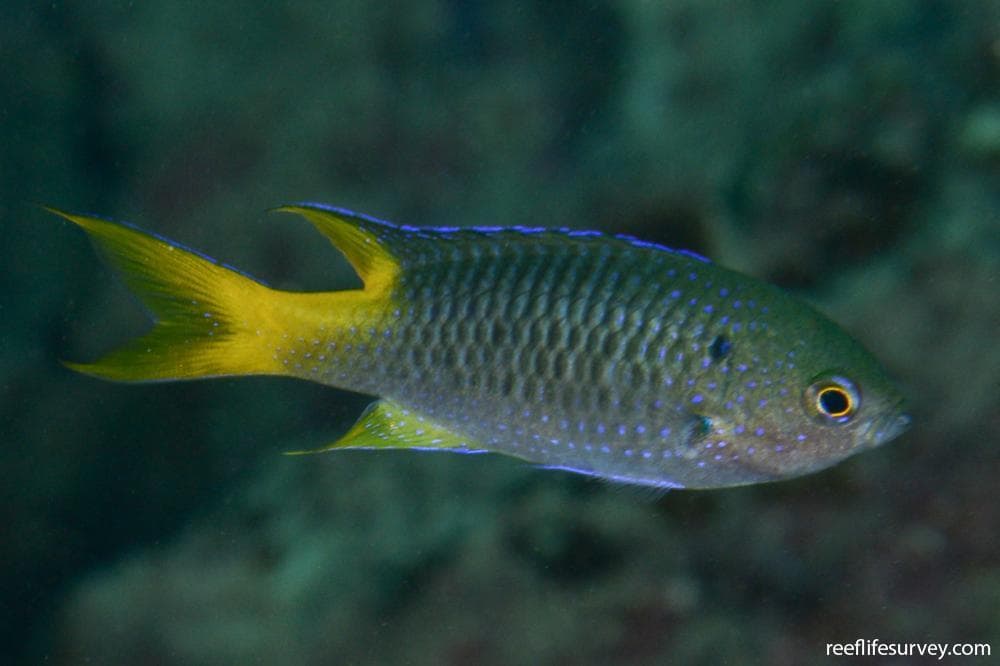
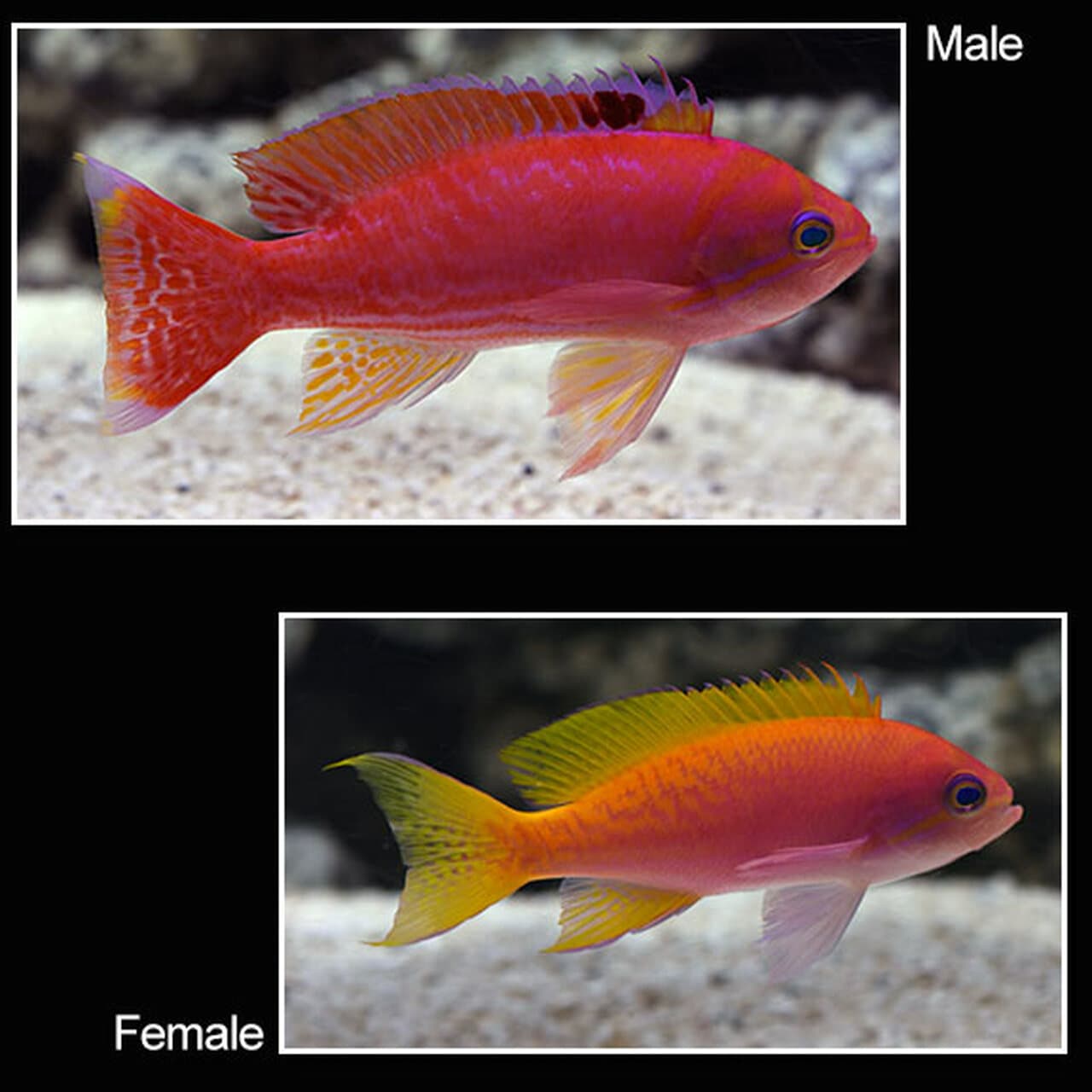
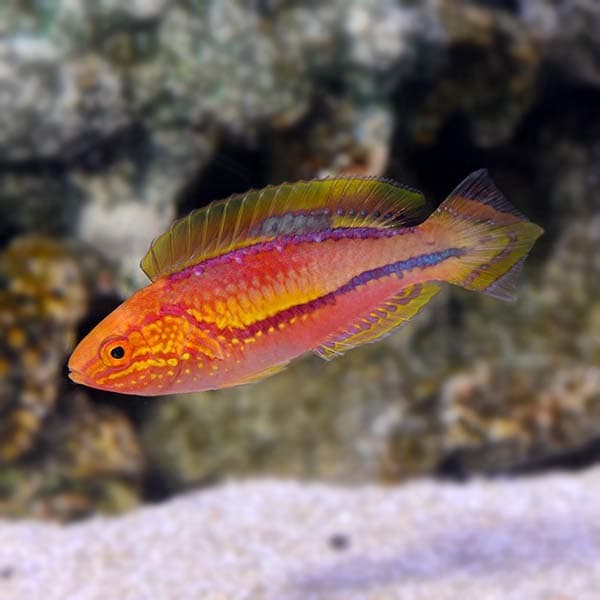
The Flameback Angel is one of the smallest and most vividly coloured dwarf angels in the trade, with a deep violet-blue body and a bright orange "flame" patch running from the head down the back. It stays compact, making it one of the more realistic pygmy angels for a moderately sized reef tank rather than a full display tank.
Like most Centropyge, it is a grazer by nature and does best in a system with some established rock and film algae to pick at between feedings. Colour and condition are usually a direct reflection of how well-fed and how mature the tank is when it's introduced.
It's a hardy fish once settled but can be a slow, fussy eater in the first week or two after arrival, so patience during acclimation pays off.
Compatibility
Flameback Angels can be territorial toward other dwarf angels and similarly shaped or coloured fish, especially in smaller volumes, so they're usually best kept as the only pygmy angel in the tank unless the aquarium is large with plenty of rockwork to break sightlines. They generally leave peaceful community fish, gobies, and wrasses alone.
With corals and clean-up crew they are a mixed bag — most individuals leave stony coral alone but a percentage will pick at large-polyp stony corals, zoanthids, or clam mantles, which is why they're rated "reef safe with caution" rather than fully reef safe.
Health & quarantine
Flamebacks are prone to the same ich and marine velvet susceptibility as other dwarf angels and should always go through a minimum four-week quarantine with observation for the first signs of scratching or laboured breathing. Watch new arrivals closely for the first two weeks — a Flameback that isn't eating within 5–7 days of arrival needs intervention (try live mysis, garlic-soaked frozen food, or nori tabs). Once eating and settled they are quite robust and long-lived.
Frequently asked questions
Is the Flameback Angel reef safe?
Can I keep two Flameback Angels together?
Why won't my new Flameback Angel eat?
What size tank does a Flameback Angel need?
Will a Flameback Angel fight with clownfish?
How collection works
Order & pay online
Check out and pay securely. We set it aside and hold it ready for you.
We get it ready
It stays in our system until you come in — usually ready the same day.
Collect in store
Drop in to 280 North Road, Eastwood, and pick it up.