Box Fish
Open Mon–Sat 10am–6pm · Sun 1pm–6pm. Usually ready the same day.
Tell us the size and sex you're after and we'll source this fish from our suppliers, then email you the moment it's in.
Join the waiting list →- Kept in our system until you collect
About this fishWhat do these mean?
Overview
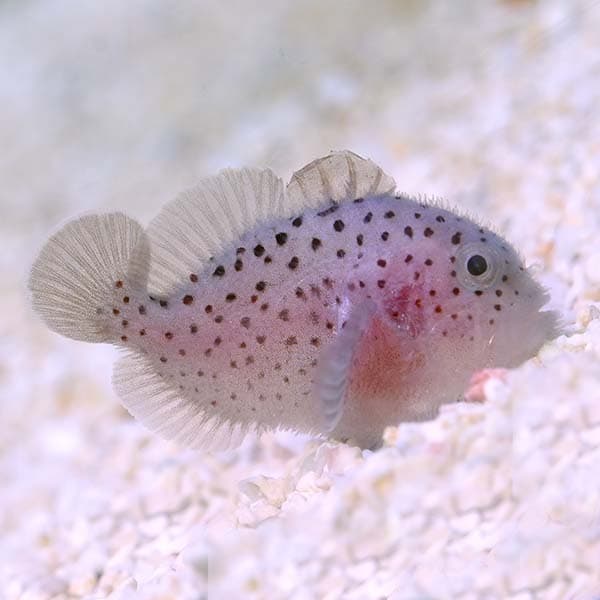
Boxfish are genuinely charming - slow, boxy swimmers with an almost comical, inquisitive personality that makes them stand out from typical reef fish. That said, they come with a serious caveat every buyer needs to understand before taking one home.
This is a fish for experienced marine keepers only, given both its specialised care needs and a defence mechanism that can have serious consequences for the whole tank.
Behaviour & temperament
Boxfish are generally slow, curious swimmers that don't cope well in strong current and are best kept singly, since bickering between individuals can trigger their defence response. They're not aggressive toward other fish, but their presence changes how you need to manage the whole system.
Diet & feeding
Boxfish have small mouths and stomachs, and need frequent small feeds rather than one or two large ones through the day.
- Finely chopped meaty seafood
- Marine algae-based preparations
Tank requirements
Boxfish need a large, well-established, stable system with gentle water movement and efficient filtration and protein skimming. Feed toward the bottom of the tank rather than the surface, and avoid strong flow that this fish can struggle to swim against.
Compatibility
Check the reef compatibility and temperament noted above - some species may nibble at tubeworms and other sessile invertebrates, so reef suitability should be considered carefully.
- Best kept with calm, non-aggressive tank mates that won't stress it
- Never keep two boxfish together unless the tank is genuinely large, as conflict between them is the main trigger for their toxin defence
Care tips
- This species can release a toxin into the water when severely stressed, which is capable of killing every fish in the tank, including itself - minimise stress at every stage from transport to acclimation
- Keep tank traffic and sudden disturbances to a minimum, and use gradual lighting transitions rather than lights snapping on
- Quarantine carefully and acclimate slowly
- Have a plan and spare carbon on hand in case of a stress event, since rapid carbon dosing is the standard emergency response
How collection works
Order & pay online
Check out and pay securely. We set it aside and hold it ready for you.
We get it ready
It stays in our system until you come in — usually ready the same day.
Collect in store
Drop in to 280 North Road, Eastwood, and pick it up.