Fish
Lieutenant Tang
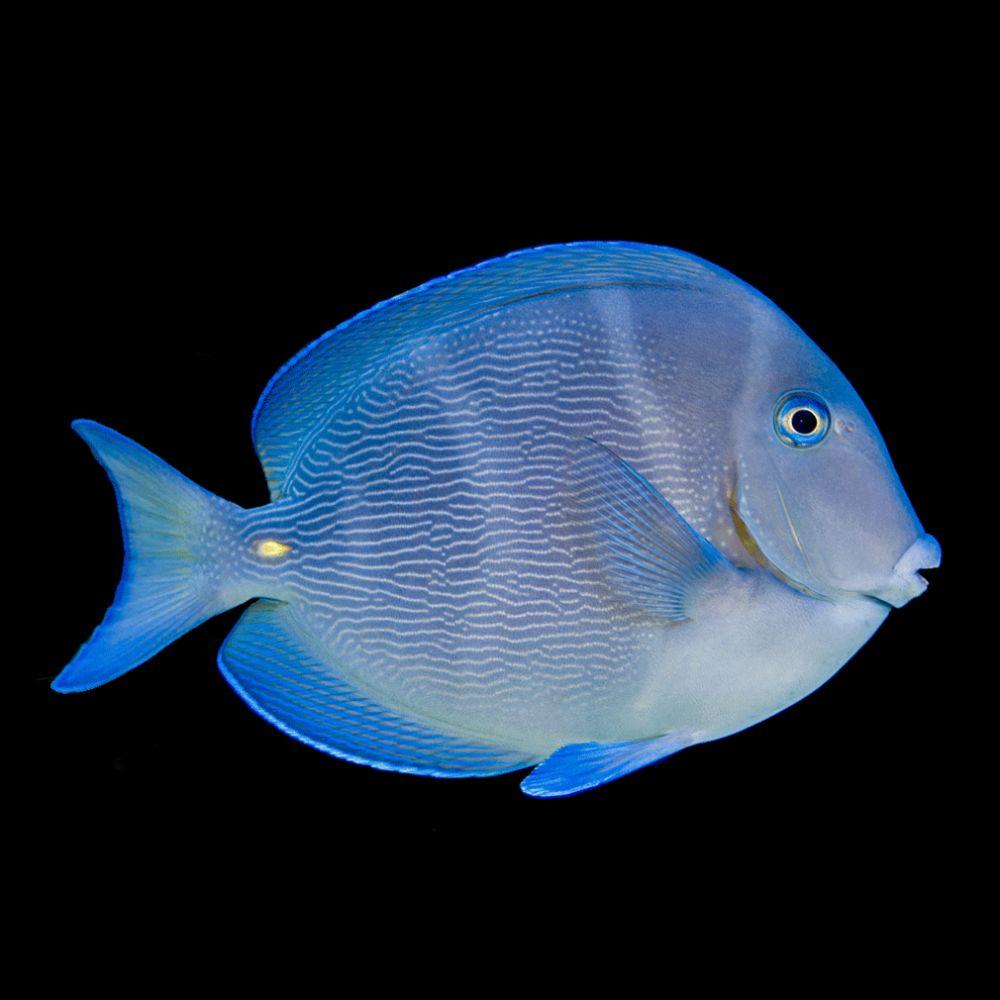
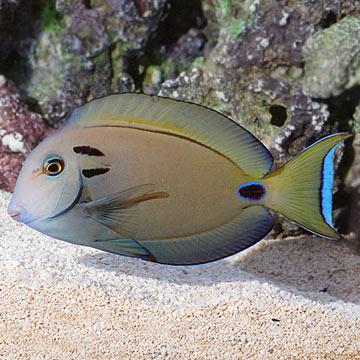
Lieutenant Tang (Acanthurus tennentii) Care Level: Moderate Temperament: Semi-aggressive Colour Form: Blue-Grey with Yellow Highlights Diet: Herbivore Reef Compatible: Yes Water Conditions: 23-27°C, dKH 6-12, pH 7.8-8.4, sg 1.020-1.025 Max Size: 30 cm Family: Acanthuridae Minimum Tank Size: 650 Litres Overview The Lieutenant Tang (Acanthurus tennentii) is a stunning member of the surgeonfish family, known for its sleek, blue-grey body with a vibrant yellow coloration around the pectoral fins and a distinct, tapered caudal fin. This tang is a popular choice for aquarists due to its unique color palette and active, engaging swimming behavior. Originating from the Indo-Pacific region, it is found cruising over sandy and rocky areas in search of food. Behaviour and Habitat Lieutenant Tangs are active swimmers that require ample space to explore and graze. They are generally peaceful toward other fish but can exhibit semi-aggressive behaviour toward other tangs, particularly other Acanthurus species, due to territorial tendencies. In larger aquariums, they can coexist with other tangs if introduced simultaneously and given adequate space to establish territories. They enjoy rocky environments with plenty of hiding spots and areas to graze, as they are natural herbivores that feed on algae in the wild. Tank Requirements Lieutenant Tangs need a large tank of at least 650 litres to accommodate their size and activity level. These tangs prefer strong water movement, replicating their natural ocean habitat, and benefit from high oxygen levels and stable water conditions. Like other tangs, they can jump when startled, so a secure lid is advised. Diet As herbivores, Lieutenant Tangs thrive on a diet high in marine algae and plant matter. They require a variety of foods, including dried seaweed or nori sheets, spirulina, and herbivore-formulated pellets or flakes. Supplementing with fresh or frozen vegetable-based foods like blanched spinach or romaine lettuce is also beneficial. Offering food multiple times daily promotes optimal health and coloration. For a balanced diet, occasionally include mysis shrimp or brine shrimp as treats. Care Tips Maintain excellent water quality with regular monitoring and a strong filtration system. Provide a balanced diet rich in greens to prevent malnutrition and encourage vibrant coloration. Be mindful when housing with other tangs to avoid territorial disputes. They are reef-safe and will not harm coral or invertebrates, making them a good choice for reef tanks. Compatibility Lieutenant Tangs are compatible with other peaceful or semi-aggressive fish. They can be housed with wrasses, clownfish, gobies, and angelfish, among others. Avoid placing them with other tangs of the same genus unless the tank is large enough to prevent territorial issues. Due to their grazing habits, they also play a role in controlling algae, contributing to the tank's overall health and appearance. Final Thoughts The Lieutenant Tang is a striking and active fish, adding movement and personality to large reef or fish-only tanks. With adequate space, a plant-based diet, and a clean environment, these tangs are hardy and rewarding. Their attractive colour pattern and active nature make them an appealing choice for experienced aquarists looking to bring unique beauty to their aquarium.
Photos
About This Item
Lieutenant Tang (Acanthurus tennentii)
Care Level: Moderate
Temperament: Semi-aggressive
Colour Form: Blue-Grey with Yellow Highlights
Diet: Herbivore
Reef Compatible: Yes
Water Conditions: 23-27°C, dKH 6-12, pH 7.8-8.4, sg 1.020-1.025
Max Size: 30 cm
Family: Acanthuridae
Minimum Tank Size: 650 Litres
Overview
The Lieutenant Tang (Acanthurus tennentii) is a stunning member of the surgeonfish family, known for its sleek, blue-grey body with a vibrant yellow coloration around the pectoral fins and a distinct, tapered caudal fin. This tang is a popular choice for aquarists due to its unique color palette and active, engaging swimming behavior. Originating from the Indo-Pacific region, it is found cruising over sandy and rocky areas in search of food.
Behaviour and Habitat
Lieutenant Tangs are active swimmers that require ample space to explore and graze. They are generally peaceful toward other fish but can exhibit semi-aggressive behaviour toward other tangs, particularly other Acanthurus species, due to territorial tendencies. In larger aquariums, they can coexist with other tangs if introduced simultaneously and given adequate space to establish territories.
They enjoy rocky environments with plenty of hiding spots and areas to graze, as they are natural herbivores that feed on algae in the wild.
Tank Requirements
Lieutenant Tangs need a large tank of at least 650 litres to accommodate their size and activity level. These tangs prefer strong water movement, replicating their natural ocean habitat, and benefit from high oxygen levels and stable water conditions. Like other tangs, they can jump when startled, so a secure lid is advised.
Diet
As herbivores, Lieutenant Tangs thrive on a diet high in marine algae and plant matter. They require a variety of foods, including dried seaweed or nori sheets, spirulina, and herbivore-formulated pellets or flakes. Supplementing with fresh or frozen vegetable-based foods like blanched spinach or romaine lettuce is also beneficial. Offering food multiple times daily promotes optimal health and coloration.
For a balanced diet, occasionally include mysis shrimp or brine shrimp as treats.
Care Tips
- Maintain excellent water quality with regular monitoring and a strong filtration system.
- Provide a balanced diet rich in greens to prevent malnutrition and encourage vibrant coloration.
- Be mindful when housing with other tangs to avoid territorial disputes.
- They are reef-safe and will not harm coral or invertebrates, making them a good choice for reef tanks.
Compatibility
Lieutenant Tangs are compatible with other peaceful or semi-aggressive fish. They can be housed with wrasses, clownfish, gobies, and angelfish, among others. Avoid placing them with other tangs of the same genus unless the tank is large enough to prevent territorial issues. Due to their grazing habits, they also play a role in controlling algae, contributing to the tank's overall health and appearance.
Final Thoughts
The Lieutenant Tang is a striking and active fish, adding movement and personality to large reef or fish-only tanks. With adequate space, a plant-based diet, and a clean environment, these tangs are hardy and rewarding. Their attractive colour pattern and active nature make them an appealing choice for experienced aquarists looking to bring unique beauty to their aquarium.
Available Options
No QuarantineSKU: K307913
$95.00
Out of stock
Tank Transfer Method (TTM)SKU: 528793H
$130.00
Out of stock
Want to See This in Person?
Visit our store in Eastwood to see this item and many others. Our team can answer all your questions.