Fish
Keyhole Angelfish
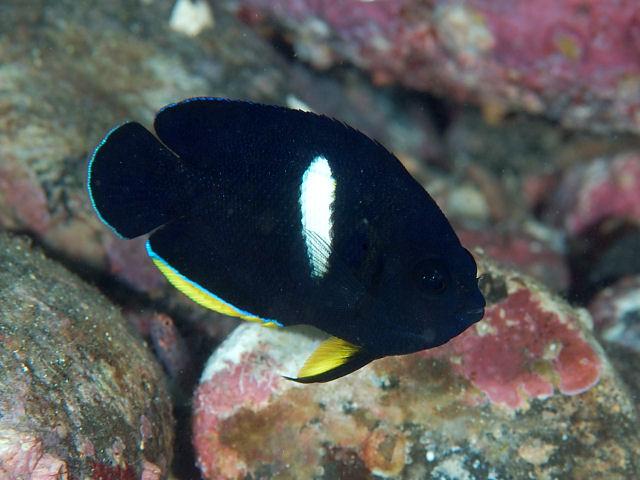
Keyhole Angelfish (Centropyge tibicen) Care Level: Moderate Temperament: Semi-aggressive Colour Form: Black with White Spot Diet: Omnivore Reef Compatible: With Caution Water Conditions: 23-27°C, dKH 6-12, pH 7.8-8.4, sg 1.020-1.025 Max Size: 15 cm Family: Pomacanthidae Minimum Tank Size: 300 litres Overview The Keyhole Angelfish (Centropyge tibicen), also known as the Tibicen Angelfish, is easily recognized by its deep black body and distinctive white “keyhole” marking on each side. This unique and elegant fish originates from the Indo-Pacific region, often inhabiting coral-rich areas and rocky lagoons. Though smaller than some angelfish, the Keyhole Angelfish can hold its own in community tanks due to its semi-aggressive nature, particularly with other angelfish or similarly sized fish. Behaviour and Habitat This species is active and curious, typically found exploring rock crevices and grazing on algae and detritus. Although generally peaceful, it may display territorial behaviour toward other dwarf angelfish. In a spacious aquarium with sufficient hiding spots, it can coexist with a range of peaceful or semi-aggressive tank mates. The Keyhole Angelfish is a reef inhabitant but may occasionally nip at corals, particularly soft corals, LPS, and clam mantles, so it is best suited for fish-only tanks or with careful reef monitoring. Tank Requirements The Keyhole Angelfish requires an aquarium of at least 300 litres, providing ample swimming space and a variety of live rock to graze on and hide in. Stable water conditions are essential, as is good water quality, which can be maintained with regular water changes and efficient filtration. Diet This angelfish is an omnivore and needs a varied diet of marine algae, spirulina, and prepared angelfish foods that contain sponges. Include mysis shrimp, brine shrimp, and other meaty treats to ensure balanced nutrition. Offering a mixture of plant-based and protein foods will help enhance its colours and support its health. Care Tips Ensure regular water changes and stable parameters to maintain health. Monitor interactions with tank mates and provide a sufficient variety of food. Avoid housing with other dwarf angelfish to minimize territorial disputes. Compatibility Keyhole Angelfish can be kept with other semi-aggressive and peaceful fish, such as tangs, wrasses, and gobies. Due to its potential to nip at corals, it is best suited for fish-only tanks, but it can sometimes be kept in a reef setup with close observation. Final Thoughts The Keyhole Angelfish brings a striking contrast of colour to any aquarium, with a bold personality and eye-catching appearance. With a well-maintained tank and balanced diet, it can thrive and make a beautiful addition to a medium-to-large tank, especially suited for aquarists who want a distinctive angelfish without the size of larger angelfish species.
Photos
About This Item
Keyhole Angelfish (Centropyge tibicen)
- Care Level: Moderate
- Temperament: Semi-aggressive
- Colour Form: Black with White Spot
- Diet: Omnivore
- Reef Compatible: With Caution
- Water Conditions: 23-27°C, dKH 6-12, pH 7.8-8.4, sg 1.020-1.025
- Max Size: 15 cm
- Family: Pomacanthidae
- Minimum Tank Size: 300 litres
Overview
The Keyhole Angelfish (Centropyge tibicen), also known as the Tibicen Angelfish, is easily recognized by its deep black body and distinctive white “keyhole” marking on each side. This unique and elegant fish originates from the Indo-Pacific region, often inhabiting coral-rich areas and rocky lagoons. Though smaller than some angelfish, the Keyhole Angelfish can hold its own in community tanks due to its semi-aggressive nature, particularly with other angelfish or similarly sized fish.
Behaviour and Habitat
This species is active and curious, typically found exploring rock crevices and grazing on algae and detritus. Although generally peaceful, it may display territorial behaviour toward other dwarf angelfish. In a spacious aquarium with sufficient hiding spots, it can coexist with a range of peaceful or semi-aggressive tank mates. The Keyhole Angelfish is a reef inhabitant but may occasionally nip at corals, particularly soft corals, LPS, and clam mantles, so it is best suited for fish-only tanks or with careful reef monitoring.
Tank Requirements
The Keyhole Angelfish requires an aquarium of at least 300 litres, providing ample swimming space and a variety of live rock to graze on and hide in. Stable water conditions are essential, as is good water quality, which can be maintained with regular water changes and efficient filtration.
Diet
This angelfish is an omnivore and needs a varied diet of marine algae, spirulina, and prepared angelfish foods that contain sponges. Include mysis shrimp, brine shrimp, and other meaty treats to ensure balanced nutrition. Offering a mixture of plant-based and protein foods will help enhance its colours and support its health.
Care Tips
- Ensure regular water changes and stable parameters to maintain health.
- Monitor interactions with tank mates and provide a sufficient variety of food.
- Avoid housing with other dwarf angelfish to minimize territorial disputes.
Compatibility
Keyhole Angelfish can be kept with other semi-aggressive and peaceful fish, such as tangs, wrasses, and gobies. Due to its potential to nip at corals, it is best suited for fish-only tanks, but it can sometimes be kept in a reef setup with close observation.
Final Thoughts
The Keyhole Angelfish brings a striking contrast of colour to any aquarium, with a bold personality and eye-catching appearance. With a well-maintained tank and balanced diet, it can thrive and make a beautiful addition to a medium-to-large tank, especially suited for aquarists who want a distinctive angelfish without the size of larger angelfish species.
Available Options
RegularSKU: 340521R
$65.00
Out of stock
Want to See This in Person?
Visit our store in Eastwood to see this item and many others. Our team can answer all your questions.